The Best Classes and Activities for Toddlers and Preschoolers (And How to Pick the Right One)
If you've ever stood in a church hall watching your toddler ignore a puppet show you paid £12 for, you know the truth about baby and toddler classes: the quality varies enormously. Some are genuinely brilliant for development. Some are expensive babysitting with a parachute.
This guide cuts through the marketing to help you choose classes that actually do something — and skip the ones that don't.
Match the Class to the Age (It Matters More Than You Think)
Young children's developmental needs shift fast. A class that's perfect at 18 months can be frustrating at 3, and vice versa.
6–12 months: Sensory play, gentle music, parent-and-baby swimming. The goal is bonding and sensory input, not "learning." Your baby is learning you more than anything else.
12–24 months: Movement-based classes, simple music-and-rhythm groups, messy play. Toddlers at this age need to move — classes that involve sitting still for long stretches fight biology and lose.
2–3 years: Short structured classes start to click. Swimming, gymnastics, introductory dance, focused music classes. Attention spans are growing but still short — 30–40 minutes is the sweet spot.
3–5 years: This is where real interests emerge. Sports, proper music lessons, drama, art, language classes. Follow what your child gravitates toward rather than what you wish they'd like.
The Classes Worth Considering
Swimming
Swimming is one of the few activities backed by serious evidence for young children — not just for water safety (though that matters), but for physical development, confidence, and sleep. Most children can start parent-and-baby swim from around 6 weeks.
What to look for: Small class sizes (6–8 babies max), warm water (at least 30°C / 86°F for babies), instructors with specific baby and toddler qualifications — STA or Swim England (UK), or WSI/Swim America (US). Skip any class where the teacher talks more than they sing.
Music Classes
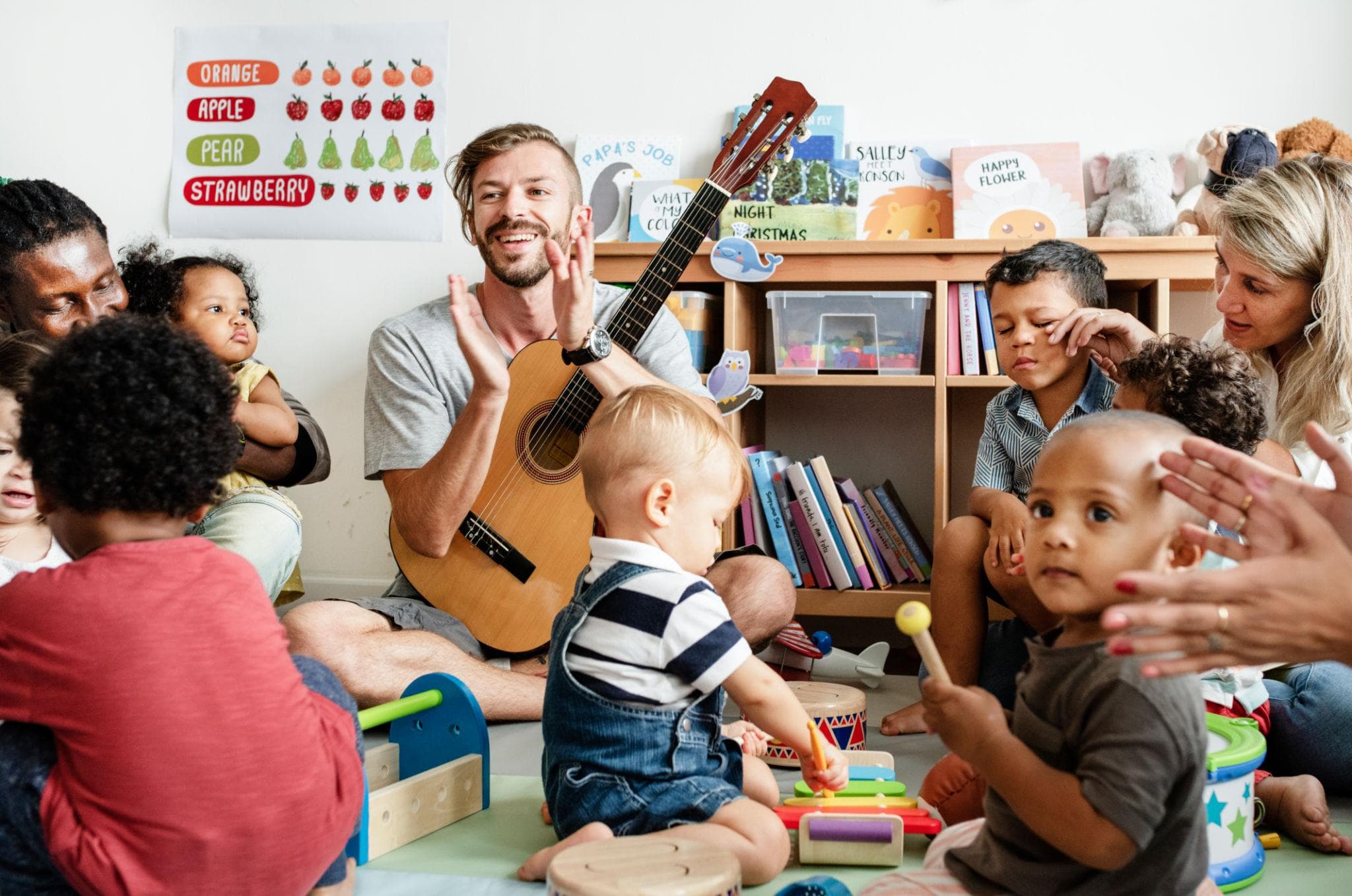
Music classes are often dismissed as fluff, but the developmental case is strong — rhythm, language, social turn-taking, and memory all get a workout. The catch is that quality varies wildly.
What to look for: Live instruments (guitar, ukulele, percussion) beat recorded music every time. An instructor who actually sings rather than reading from a script. A mix of structured songs and free exploration with instruments.
Well-known programmes: Monkey Music, Jo Jingles, Hartbeeps, and The Music Class operate across the UK. In the US, Music Together, Kindermusik, and Music Rhapsody are widely available.
Sensory and Messy Play
For children under 3, sensory classes can be genuinely valuable — and they're often the ones parents regret spending on because your child "just played with the foam." That is the point.
What to look for: Varied sensory materials rotated each week, not the same setup every time. Space to move, not just a taped-off mat. Avoid classes that feel like expensive Instagram backdrops.
Gymnastics and Movement
From around 18 months, structured movement classes start paying off. They build core strength, coordination, and — crucially — confidence in their own bodies. This matters for everything from learning to write to sleeping well.
What to look for: Properly sized equipment (not scaled-down adult gym kit), qualified coaches (British Gymnastics Preschool Certificate in the UK, USA Gymnastics credentials in the US), and a focus on exploration rather than drills.
Dance and Ballet
Dance classes aimed at under-4s are mostly movement-to-music with a tutu. That's fine if that's what you want, but don't expect serious technique until around age 4. Proper ballet training starts later than the marketing suggests.
What to look for: A warm instructor who adjusts to the group's energy, not a rigid syllabus. RAD or ISTD registration (UK) or a qualified instructor affiliated with a recognised school (US).
Art and Creative Classes
The best art classes for young children look, frankly, like chaos. Paint, glue, unexpected materials, big pieces of paper on the floor. The developmental value is in the process — fine motor development, experimentation, decision-making — not the fridge-worthy output.
What to look for: Open-ended projects over templated crafts. Real materials (proper paint, clay, natural objects) over worksheets.
Forest School and Outdoor Classes
Forest school sessions have exploded in the UK in recent years, and similar nature-based programmes (Tinkergarten, nature preschools) are growing fast in the US. The benefits are well-documented: resilience, risk-assessment skills, focus, and physical development.
What to look for: A qualified Forest School Leader (UK) or certified nature-based educator. Small group sizes. A willingness to let children take actual small risks — climbing, using real tools — rather than sanitised "outdoor play."
Early Language Classes
If you want your child to pick up a second language, the research is clear: earlier is easier, but consistency matters more than intensity. A weekly class alone won't produce a bilingual child — but combined with media, books, or family exposure, it can lay a real foundation.
What to look for: Native-speaker instructors where possible, songs and play over flashcards, and realistic expectations about what one class a week can achieve.
Classes That Are Often Overrated
A few honest flags, because parents deserve the truth:
"Baby sign language" classes — signing with your baby is lovely, but you don't need a paid class. A YouTube video and consistency does the same job.
"Educational" classes for under-2s promising school readiness — there's no evidence this works, and plenty that free play serves the same developmental goals better.
Classes with tiny windows of class time and long retail/café add-ons — you're paying for the café.
How to Actually Choose
A few practical filters:
Try before you commit. Most good classes offer a taster session. Take it. Your child's reaction matters more than any review.
Count the children per adult. Big classes work for sports and music; small classes matter more for swimming and sensory work.
Pick the time honestly. A brilliant class at 9am on a Saturday that wrecks your weekend is worse than a decent class at a convenient time.
Don't over-schedule. Two or three classes a week is plenty for a preschooler. Unstructured time at home or in the park is doing more than parents often realise.
Final Thoughts
The best class for your child is the one they leave tired, happy, and looking forward to next week. That's not a marketing line — it's the actual test. If a class doesn't produce that reaction within a few weeks, it's fine to stop. Your child isn't failing the class. The class is failing them.


